Online or onsite, instructor-led live Containers and Virtual Machines (VMs) training courses demonstrate through hands-on practice the fundamentals and advanced topics of Containers and Virtual Machines (VMs).
Containers and Virtual Machines (VMs) training is available as "online live training" or "onsite live training". Online live training (aka "remote live training") is carried out by way of an interactive, remote desktop. Onsite live Containers and Virtual Machines (VMs) training can be carried out locally on customer premises in Luxembourg City or in NobleProg corporate training centers in Luxembourg City.
NobleProg -- Your Local Training Provider
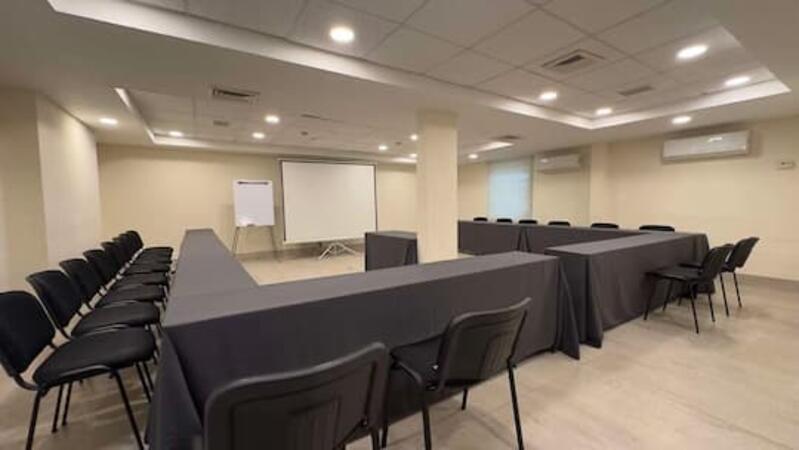
Luxembourg, Place de la Gare
Best Western Hotel International, 20-22 Place De La Gare, Luxembourg City, Luxembourg, 1616
The financial center and the touristic sites are really close.
Easy access to The EU-district and the International Airport Findel-Luxembourg by public buses.
This instructor-led, live training in Luxembourg City focuses on deploying, orchestrating, and optimizing AI workloads on Kubernetes-based edge environments. It covers setting up lightweight distributions, managing connectivity, and tuning performance for constrained nodes. Ideal for advanced practitioners.
Master AI-driven Kubernetes operations in Luxembourg City with hands-on training. Apply ML for intelligent scheduling and autoscaling to optimize resource usage. Reduce costs and latency using predictive analytics and reinforcement learning models for real-world workloads.
This live training in Luxembourg City helps intermediate practitioners build automated MLOps pipelines on Kubernetes. Participants design CI/CD workflows, implement GitOps strategies, and deploy ML models using containerized infrastructure for scalable, reproducible machine learning operations.
This hands-on training in Luxembourg City equips you with the skills to build, train, and serve machine learning models on Kubernetes using Kubeflow. You will learn to navigate the ecosystem, author scalable pipelines, and manage production-ready workloads with best practices.
This live training in Luxembourg City automates Docker-based AI model builds and deployments via CI/CD. It covers packaging, testing, version control, and deployment strategies for MLOps. Participants gain practical skills in pipeline creation and secure container management.
This instructor-led, live training in Luxembourg City (online or onsite) is aimed at advanced-level Kubernetes administrators and DevOps engineers who wish to enhance their monitoring skills for Kubernetes clusters using Prometheus and Grafana.
By the end of this training, participants will be able to:
Set up Prometheus and Grafana for Kubernetes monitoring.
Monitor key metrics for pods, nodes, and services.
Create dynamic dashboards to visualize cluster health and performance.
Implement alerting strategies for proactive issue resolution.
Apply best practices for scaling monitoring solutions in Kubernetes environments.
This instructor-led training in Luxembourg City covers deploying AI inference across cloud, on-premise, and edge environments using Docker. Participants learn to build secure containerized AI services, integrate orchestration tools, and optimize latency and resilience for distributed workloads.
This live Kubernetes training in Luxembourg City guides IT professionals through core concepts and hands-on lab work. Learn to deploy, scale, and manage containerized applications using kubectl, configure networking and storage, and troubleshoot clusters effectively.
This instructor-led, live training in Luxembourg City (online or onsite) is aimed at DevOps engineers and developers who wish to use Kubernetes to build, deploy, and manage containers and cluster components in a secure and scalable environment.
By the end of this training, participants will be able to:
Understand the architecture, core concepts, and components of a Kubernetes ecosystem.
Set up, install, and configure a Kubernetes cluster for container orchestration.
Learn how to execute Kubernetes operations using the command line tools.
Get a hands-on experience from basic to advanced Kubernetes operations and administration.
In this instructor-led training in Luxembourg City, technical professionals learn to build secure, portable AI inference microservices with Docker. Participants gain hands-on skills in containerizing models, securing services, and deploying consistently across local, server, or cloud environments.
In this instructor-led, live training in Luxembourg City (onsite or remote), participants will learn how to deploy a collection of sample servers inside containers, then automate, scale, and manage their containerized servers within a Kubernetes cluster. The training goes on to more advanced topics, walking participants through the process of securing, networking and monitoring a Kubernetes cluster.
By the end of this training, participants will be able to:
Set up and run a Docker container.
Deploy containerized databases and servers.
Set up a Docker and Kubernetes cluster.
Use Kubernetes to deploy and manage different environments under the same cluster.
This instructor-led training in Luxembourg City helps intermediate professionals configure and optimize GPU-enabled AI workloads within Docker containers. Participants learn to build CUDA-compatible images, manage multi-GPU tasks, and deploy scalable deep learning services for production environments.
This instructor-led, live training in Luxembourg City (online or onsite) is aimed at intermediate-level professionals who wish to effectively deploy, manage, and scale containerized applications using Kubernetes.
By the end of this training, participants will be able to:
Understand the Kubernetes architecture and its components.
Isolate resources effectively using Namespaces.
Manage and customize workloads with Deployments, StatefulSets, and DaemonSets.
Define computational resources using Requests and Limits.
Work with Jobs and CronJobs for scheduled tasks.
Understand Services and DNS within Kubernetes.
Expose applications using Ingress.
Manage ConfigMaps, Secrets, and Persistent Volumes.
Scale and upgrade Kubernetes clusters using advanced strategies.
This instructor-led, live training in Luxembourg City (online or onsite) is aimed at intermediate-level to advanced-level developers, DevOps professionals, and architects who wish to design, deploy, and manage resilient applications using microservices, containers, and continuous integration/continuous deployment (CI/CD) pipelines.
By the end of this training, participants will be able to:
Understand and implement microservices architecture.
Deploy and manage containerized applications with Docker and Kubernetes.
Set up and optimize CI/CD pipelines for automated deployments.
Apply best practices for security, monitoring, and observability.
This instructor-led, live training in Luxembourg City (online or onsite) is aimed at advanced-level platform engineers and DevOps professionals who wish to master scaling applications using microservices and Kubernetes.
By the end of this training, participants will be able to:
Design and implement scalable microservices architectures.
Deploy and manage applications on Kubernetes clusters.
Utilize Helm charts for efficient service deployment.
Monitor and maintain the health of microservices in production.
Apply best practices for security and compliance in a Kubernetes environment.
Learn the fundamentals of containers, Kubernetes and OpenShift in a practical, hands-on training designed for developers, DevOps engineers and IT professionals. Participants will learn how to build containerized applications, deploy workloads, manage Kubernetes resources and use OpenShift to streamline modern application delivery in cloud and hybrid environments.
This instructor-led training in Luxembourg City guides professionals through containerizing complete ML pipelines using Docker. Participants will master building reproducible environments, orchestrating training and inference workloads, and implementing CI/CD for scalable MLOps deployments.
This instructor-led training in Luxembourg City teaches intermediate professionals to containerize AI and ML workloads using Docker. Participants will learn to build optimized images, manage dependencies, and deploy reliable pipelines, gaining hands-on skills for consistent, portable production environments.
This instructor-led, live training in Luxembourg City (online or onsite) is aimed at beginner-level developers who wish to learn the basics of Kubefirst and how it simplifies, secures, and accelerates Kubernetes and Swarm cluster management at enterprise scale.
By the end of this training, participants will be able to:
Set up a Kubefirst development environment.
Write and run a basic Kubefirst program.
Annotate code with Kubefirst directives and clauses.
This instructor-led, live training in Luxembourg City (online or onsite) is aimed at intermediate-level developers and DevOps engineers who wish to use Minikube as a part of their development workflow.
By the end of this training, participants will be able to:
Set up and manage a local Kubernetes environment using Minikube.
Understand how to deploy, manage, and debug applications on Minikube.
Integrate Minikube into their continuous integration and deployment pipelines.
Optimize their development process using Minikube's advanced features.
Apply best practices for local Kubernetes development.
This instructor-led, live training in Luxembourg City (online or onsite) is aimed at intermediate-level system administrators who wish to effectively deploy, manage, and troubleshoot Hyper-V environments.
By the end of this training, participants will be able to:
Understand virtualization concepts and configure Hyper-V.
Create and manage virtual machines, VM storage, and networking.
Utilize advanced Hyper-V features and secure Hyper-V environments.
This instructor-led, live training in Luxembourg City (online or onsite) is aimed at intermediate-level developers and DevOps engineers who wish to build, deploy, and manage microservices using Spring Cloud and Docker.
By the end of this training, participants will be able to:
Develop microservices using Spring Boot and Spring Cloud.
Containerize applications with Docker and Docker Compose.
Implement service discovery, API gateways, and inter-service communication.
Monitor and secure microservices in production environments.
Deploy and orchestrate microservices using Kubernetes.
This instructor-led, live training in Luxembourg City (online or onsite) is aimed at beginner-level to intermediate-level software developers and DevOps professionals who wish to learn how to set up and manage a local Kubernetes environment using Minikube.
By the end of this training, participants will be able to:
Install and configure Minikube on their local machine.
Understand the basic concepts and architecture of Kubernetes.
Deploy and manage containers using kubectl and the Minikube dashboard.
Set up persistent storage and networking solutions for Kubernetes.
Utilize Minikube for developing, testing, and debugging applications.
In this instructor-led, live training in Luxembourg City (onsite or remote), participants will learn how to create and manage Docker containers, then deploy a sample application inside a container. Participants will also learn how to automate, scale, and manage their containerized applications within a Kubernetes cluster. Finally, the training goes on to more advanced topics, walking participants through the process of securing, scaling and monitoring a Kubernetes cluster.
By the end of this training, participants will be able to:
Set up and run a Docker container.
Deploy a containerized server and web application.
Build and manage Docker images.
Set up a Docker and Kubernetes cluster.
Use Kubernetes to deploy and manage a clustered web application.
This instructor-led, live training in Luxembourg City covers the Certified Kubernetes Administrator (CKA) exam. It provides hands-on experience with Kubernetes architecture, networking, security, and troubleshooting. Ideal for admins seeking certification or practical cluster management skills.
In this instructor-led, live training in Luxembourg City (online or onsite), participants will learn how to set up and manage a production-scale container environment using Kubernetes on AKS.
By the end of this training, participants will be able to:
Configure and manage Kubernetes on AKS.
Deploy, manage and scale a Kubernetes cluster.
Deploy containerized (Docker) applications on Azure.
Migrate an existing Kubernetes environment from on-premise to AKS cloud.
Integrate Kubernetes with third-party continuous integration (CI) software.
Ensure high availability and disaster recovery in Kubernetes.
Learn how to build, deploy and administer containerized environments using Docker, Kubernetes and OpenShift. This five-day, hands-on training covers container images, Kubernetes workloads, cluster networking, storage, security, monitoring and practical OpenShift administration. Participants gain the skills needed to operate modern container platforms and troubleshoot applications across development and production environments.
This instructor-led training in Luxembourg City helps engineers automate, secure, and monitor large-scale Kubernetes clusters. You will learn to deploy multi-environment applications, implement high-availability strategies, and manage scaling and troubleshooting effectively.
This instructor-led CKAD training in Luxembourg City prepares developers for the Certified Kubernetes Application Developer exam through hands-on labs. It covers designing, building, and securing cloud-native apps using core Kubernetes concepts, deployment strategies, and networking fundamentals.
This instructor-led, live course in Luxembourg City provides participants with an overview of Rancher and demonstrates through hands-on practice how to deploy and manage a Kubernetes cluster with Rancher.
Master Istio on Kubernetes with this instructor-led course in Luxembourg City. Learn to install, configure, and secure service meshes using mTLS and Zero Trust. Gain hands-on experience in traffic management, observability with Prometheus and Jaeger, and Calico integration for production-ready microservices.
This 21-hour training in Luxembourg City explores essential Kubernetes design patterns for microservices. Participants will learn foundational, behavioral, structural, and configuration strategies to build resilient, scalable, and cloud-native applications through hands-on live-lab exercises.
This instructor-led, live training in Luxembourg City (online or onsite) is aimed at engineers who wish to use Helm to streamline the process of installing and managing Kubernetes applications.
By the end of this training, participants will be able to:
Install and configure Helm.
Create reproducible builds of Kubernetes applications.
Share applications as Helm charts.
Run third-party applications saved as Helm charts.
This instructor-led, live training in Luxembourg City (online or onsite) is aimed at DevOps engineers who wish to use Kubernetes and Gitlab to automate the DevOps lifecycle.
By the end of this training, participants will be able to:
Automate application builds, tests, and deployments.
Create an automated build infrastructure.
Deploy an application to a containerized cloud environment.
This instructor-led, live training in Luxembourg City (online or onsite) is aimed at Kubernetes practitioners who wish to prepare for the CKS exam.
By the end of this training, participants will know how to secure Kubernetes environments and container-based applications throughout the different stages of an application's life cycle: build, deployment and runtime.
This instructor-led, live training in Luxembourg City (online or onsite) is aimed at developers and DevOps engineers who wish to utilize a serverless approach for building enterprise applications in Kubernetes.
By the end of this training, participants will be able to:
Setup and configure the Kubernetes system to start developing with a serverless architecture.
Understand the concepts and principles foundational to serverless environments.
Operate toolchains necessary to serverless development and integrate it with Kubernetes components.
Practice their skill in Python programming language and apply it to implement serverless systems.
Secure enterprise applications that are deployed through a serverless framework on Kubernetes.
Utilize modern cloud computing methods in optimizing DevOps task processing workflows.
This instructor-led, live training in Luxembourg City (online or onsite) is aimed at engineers who wish to secure a Kubernetes cluster beyond the default security settings.
By the end of this training, participants will be able to:
Understand the vulnerabilities that are exposed by a default Kubernetes installation.
Prevent unauthenticated access to the Kubernetes API, database, and other services.
Protect a Kubernetes cluster from accidental or malicious access.
Put together a comprehensive security policy and set of best practices.
This instructor-led, live training in Luxembourg City (online or onsite) is aimed at engineers who wish to advance their knowledge of Docker so as to deploy applications at a larger scale while maintaining control.
By the end of this training, participants will be able to:
Build their own Docker images.
Deploy and manager large number of Docker applications .
Evaluate different container orchestration solutions and choose the most suitable one.
Set up a continuous integration process for Docker applications.
Integrate Docker applications with existing continuous tools integration processes.
This instructor-led training in Luxembourg City helps participants master OSGi applications using Apache Karaf. Learners will install and configure the runtime, understand OSGi lifecycle fundamentals, and develop modular Java applications through hands-on exercises and real-world deployment practices.
This 7-day programme provides a comprehensive, hands-on journey into designing, deploying, and operating cloud-native applications using modern DevOps practices.
Participants will explore how to design scalable microservices architectures, optimise container environments, and manage production workloads using Kubernetes. The course covers advanced deployment strategies, GitOps-based automation, and observability practices to ensure system reliability and performance.
A strong focus is placed on real-world operational challenges, including incident response, failure simulation, and root cause analysis. The programme concludes with the use of AI-powered tools to support troubleshooting and accelerate operational decision-making.
By the end of the training, participants will have a clear understanding of how to build, deploy, monitor, and maintain resilient distributed systems in a Kubernetes-based environment.
This instructor-led, live training in Luxembourg City covers the core concepts of Docker, helping participants automate the process of building, shipping, and running applications inside containers. You will gain hands-on skills in Docker installation, image management, networking, and registries.
This instructor-led, live training in Luxembourg City (online or onsite) is aimed at intermediate to advanced DevOps engineers and system administrators who wish to deploy and manage self-hosted Kubernetes clusters without cloud dependencies.
By the end of this training, participants will be able to: deploy production-ready Kubernetes clusters using kubeadm on bare-metal or virtual machines; configure high-availability control planes and etcd clusters; implement container networking and storage for self-managed environments; set up monitoring and observability using self-hosted solutions.
In this instructor-led, live training in Luxembourg City, participants will learn the fundamentals of building microservices using Spring Cloud and Docker. Participant knowledge is put to the test through exercises and the step-by-step development of sample microservices.
By the end of this training, participants will be able to:
Understand the fundamentals of microservices.
Use Docker to build containers for microservice applications.
Build and deploy containerized microservices using Spring Cloud and Docker.
Integrate microservices with discovery services and the Spring Cloud API Gateway.
Use Docker Compose for end-to-end integration testing.
OpenShift is one of the leading Kubernetes-based platforms for deploying and managing containerized applications in cloud, hybrid and on-premises environments.
This hands-on training teaches participants how to install, administer and troubleshoot OpenShift clusters while applying security, networking and storage best practices. Through practical exercises, participants gain the skills needed to confidently manage production-ready OpenShift environments.
Learn how to develop, deploy and manage containerized applications with OpenShift, one of the leading Kubernetes-based platforms for cloud-native development. This practical training covers application deployment, containers, networking, CI/CD and DevOps workflows, giving participants the skills to build and maintain modern applications in production environments.
This instructor-led, live training in Luxembourg City (online or onsite) is aimed at intermediate-level virtualization administrators who wish to use open-source platforms to migrate away from VMware.
By the end of this training, participants will be able to:
Install and configure KVM, oVirt, and Proxmox VE.
Migrate virtual workloads from VMware.
Implement high availability and disaster recovery.
Optimize performance in open-source virtualization environments.
Read more...
Last Updated:
Testimonials (7)
As i said before , for a person like me (no exp. ) this was a gateway to understanding features and functions with these programs/tools & etc. .
Patrick V. Duylovski - UBB + DZI (KBC GROUP)
Course - Docker and Kubernetes
multi-tiered, structured course programme.
Bert Paelinckx - Cube SoftwareSolutions
Course - Introduction to Docker
CI/CD Best Practices (gitflow and gitops), Application strategies, idempotency and drift, remote state management, Pod Disruption Budgets and Best Practices
McKayla Fusco - NSWC Dahlgren Division - DNA
Course - Resilient Architecture: Microservices, Containers, and CI/CD
basic understanding of container/kubernetes and how they interact
features of the openshift plattform
Eric Scholze - NOW IT GmbH
Course - Introduction to Containers, Kubernetes & OpenShift
Training being interactive. He engaged us a lot by asking questions and imaginary use cases. He shifted away from his agenda to explain more of the things we are demanded.
Berk Ozdilek - Deutsche Bank
Course - Kubernetes Advanced
About the microservices and how to maintenance kubernetes
Yufri Isnaini Rochmat Maulana - Bank Indonesia
Course - Advanced Platform Engineering: Scaling with Microservices and Kubernetes
Online Containers and Virtual Machines (VMs) training in Luxembourg City, Containers and Virtual Machines (VMs) training courses in Luxembourg City, Weekend Containers and Virtual Machines (VMs) courses in Luxembourg City, Evening Containers and Virtual Machines (VMs) training in Luxembourg City, Containers and Virtual Machines (VMs) instructor-led in Luxembourg City, Weekend Containers and Virtual Machines (VMs) training in Luxembourg City, Containers and Virtual Machines (VMs) boot camp in Luxembourg City, Containers and Virtual Machines (VMs) classes in Luxembourg City, Containers and Virtual Machines (VMs) instructor in Luxembourg City, Containers and Virtual Machines (VMs) private courses in Luxembourg City, Containers and Virtual Machines (VMs) one on one training in Luxembourg City, Online Containers and Virtual Machines (VMs) training in Luxembourg City, Containers and Virtual Machines (VMs) on-site in Luxembourg City, Containers and Virtual Machines (VMs) trainer in Luxembourg City, Containers and Virtual Machines (VMs) instructor-led in Luxembourg City, Containers and Virtual Machines (VMs) coaching in Luxembourg City, Evening Containers and Virtual Machines (VMs) courses in Luxembourg City